Understanding Sandals Design, Function, and Everyday Use
A detailed and informative look at how sandals function in everyday life, covering materials, comfort features, foot support, and the role of women’s leather sandals, comfortable sandals.

Sandals are among the oldest forms of footwear still widely used today, and their ongoing relevance shows how well they adapt to changing needs. While styles and materials have evolved significantly, the basic purpose of sandals breathability, ease of wear, and climate comfort has remained consistent over centuries. In many cultures, sandals became a natural response to warm weather, walking-heavy lifestyles, and the need for shoes that protect without enclosing the foot. Today, they still serve these roles but with far greater variety and nuance.
One of the main reasons sandals remain timeless is their structure. Unlike boots or sneakers, sandals minimize enclosure, which allows airflow around the foot. This ventilation reduces sweat buildup, skin irritation, and overheating everyday issues people experience in closed footwear. Their open design also makes them easier to slip on and off, which ties into convenience and accessibility. This combination of practicality and comfort explains why sandals continue to be a default choice in warm climates and seasonal wardrobes.
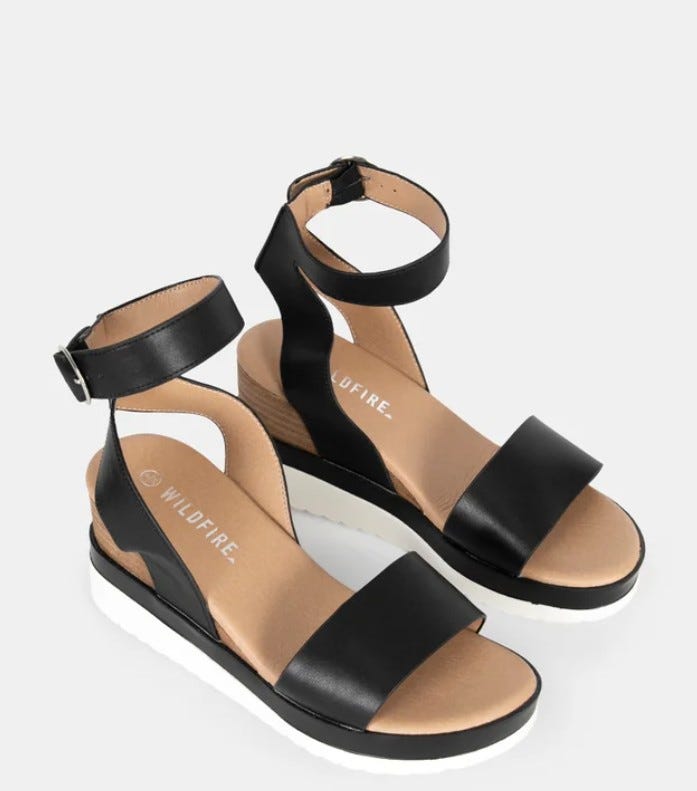
Material Matters: Leather vs. Synthetic
Materials play a defining role in how sandals feel and function. Women’s leather sandals remain popular because leather adjusts to the wearer’s foot shape over time. This creates a personalized fit that improves stability and comfort. Leather also offers longevity when cared for properly, making it well suited for people who value durability. However, synthetic materials bring different advantages. They tend to be lighter, more resistant to water, and easier to wipe clean. Synthetic uppers are commonly found in travel and sport-oriented sandals, particularly for activities that involve sand, water, or rapid drying needs.
The choice between leather and synthetic doesn’t imply one is superior; it often depends on usage. Leather sandals are ideal for structured support and form-fitting comfort, while synthetic sandals are attractive for flexibility, low weight, and quick-dry benefits. Understanding this difference helps wearers choose more intentionally based on lifestyle and environment rather than appearance alone.
Comfort as a Design Priority
Modern footwear design has shifted toward long-term comfort and foot health. This shift can be seen in the rise of comfortable sandals with cushioned midsoles, arch contouring, padded straps, and shock absorption. These features respond to a more informed consumer base people now look not just at style, but also at how footwear affects posture, joint pressure, and walking endurance. The goal is no longer simply something “easy to wear” but something that supports the foot’s natural movement patterns.
Comfort also plays a psychological role. When a shoe fits well and supports the body, the wearer moves more freely and with greater confidence. For this reason, comfortable sandals are widely used not only for leisure but also for travel, errands, and everyday commuting. A well-designed pair can handle the repetitive movement of walking far better than traditional flat soles that lack cushioning.
Seasonal and Lifestyle Differences
The term summer sandals refers less to a specific style and more to a climate-based function. During warmer seasons, people lean toward lightweight designs that reduce heat retention. This is why open-toe and multi-strap sandals are common during summer, paired with linen clothing, cotton dresses, and relaxed silhouettes. The emphasis is airflow and simplicity, which helps regulate temperature and limit friction.
In contrast, fashion sandals focus more on visual identity. They may include metallic finishes, structured straps, decorative hardware, or sculpted soles. The purpose is aesthetic presence rather than all-day walking. These sandals are often worn for social gatherings, events, or occasions where appearance is prioritized. Still, even fashion-focused designs today incorporate more comfort features than past footwear, showing how practicality influences styling across the board.
Fit and Foot Shape Considerations
Selecting the right sandals begins with understanding foot structure. Factors such as arch height, width, and pressure points influence how a sandal feels after prolonged use. People with wide feet often benefit from adjustable straps or elastic panels, while those with high arches may require molded footbeds. Likewise, ankle stability depends on strap placement: a single toe-post sandal distributes pressure differently than a multi-strap or back-strap sandal. This makes trying different constructions just as important as comparing size.
Foot comfort is not just about soft materials it is also about alignment. A sandal that supports the heel while maintaining foot positioning helps reduce fatigue. Because sandals expose more of the foot than closed shoes, proper fit becomes even more noticeable.
Why Sandals Remain Relevant
The continued popularity of sandals comes from their ability to bridge lifestyle needs and physical comfort. They are simple yet adaptable, minimal yet functional. Whether worn for travel, everyday errands, leisure, or dressy occasions, sandals offer a breathable and uncomplicated footwear solution.
Across different variations women’s leather sandals, comfortable sandals, summer sandals, and fashion sandals the throughline remains the same: sandals support mobility while respecting climate and comfort. They endure not because of novelty, but because they satisfy a basic human need shoes that allow us to move freely, stay cool, and feel grounded in our environment.